Introduction
Pregnancy is often described as the most beautiful phase in a woman’s life, but let’s be honest - it also brings confusion. If you’re an expecting mother in India, chances are you’ve already been given advice from relatives, friends, and even WhatsApp forwards about what you should or should not eat.
“Don’t eat papaya.”
“Drink ghee in the ninth month for a normal delivery.”
“Avoid mangoes in the summer.”
Sound familiar?
While much of this advice comes from love, it isn’t always scientifically correct. Nutrition in pregnancy isn’t about random restrictions or indulgences; it’s about ensuring both mother and baby get the right balance of nutrients at the right time.
At Hope Women’s & Children’s Hospital, Hyderabad, our gynecologists and nutritionists have guided thousands of expecting mothers. This blog brings you a clear, science-backed month-by-month pregnancy diet chart tailored for Indian mothers, with practical tips and myth-busting facts.
Why a Pregnancy Diet Matters
Pregnancy is a time when your body works overtime: nourishing your growing baby while keeping you healthy. Eating well ensures:
- Healthy weight gain for mother and baby.
- Lower risk of complications like anemia, gestational diabetes, or preterm delivery.
- Strong fetal development, especially for the brain, bones, and immune system.
- Faster postpartum recovery.
WHO and ICMR guidelines emphasize that Indian women, who are often prone to anemia and vitamin deficiencies, benefit enormously from a balanced, localized pregnancy diet.
👉 At Hope, we design diet plans that use everyday Indian foods - dals, chapati, rice, seasonal vegetables - so mothers don’t feel like they need to buy exotic or expensive items.
Month-by-Month Pregnancy Diet Chart
First Trimester (0-3 Months)
Your body is adjusting to pregnancy. Nausea, vomiting, and fatigue are common. Focus on:
- Folic Acid: Spinach, broccoli, beetroot, lentils.
- Small, Frequent Meals: Prevents nausea.
- Ginger & Lemon: Helps with morning sickness.
- Hydration: Sip water throughout the day.
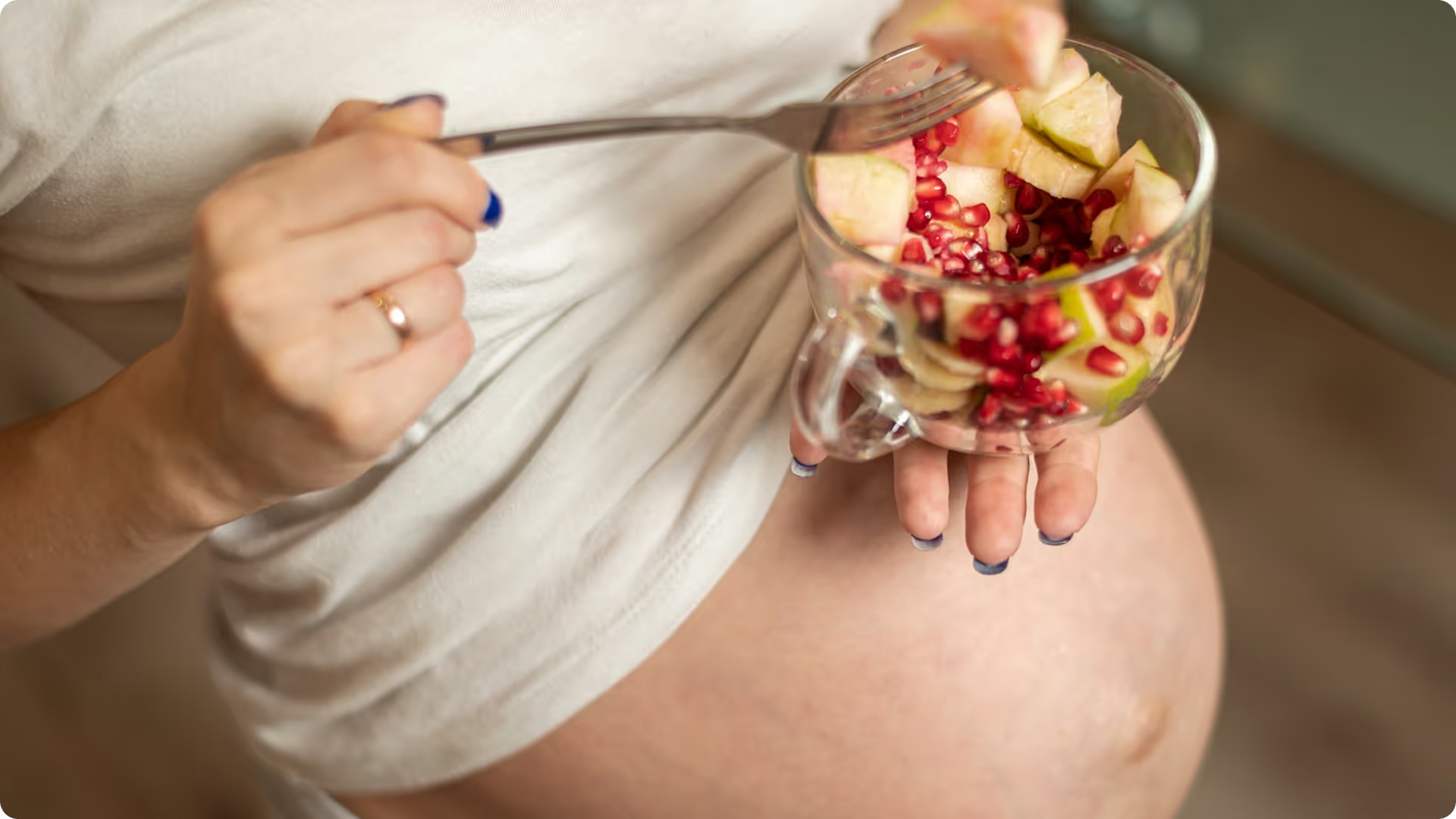
Foods to Include: Rice, dal, khichdi, fresh fruits (banana, apple, guava), curd, dry fruits.
Avoid: Unpasteurized milk, raw sprouts, excess caffeine.
Second Trimester (4-6 Months)
This is when your baby’s growth accelerates, bones form, and you may feel hungrier.
- Calcium: Milk, ragi, sesame seeds, paneer.
- Iron: Dates, jaggery, spinach, beans, chicken.
- Protein: Eggs, dals, tofu, sprouts.
- Vitamin C: Oranges, tomatoes, amla (helps iron absorption).
Foods to Include: Whole wheat roti, parathas with spinach/palak, vegetable upma, eggs, grilled chicken or paneer curry.
Avoid: Overeating fried food - gestational diabetes risk rises in Indian women.
Third Trimester (7-9 Months)
This is the home stretch. Your baby’s brain develops rapidly, and weight gain peaks.
- Omega-3 Fatty Acids: Flaxseeds, walnuts, fish (cooked thoroughly).
- Fiber: Prevents constipation. Eat oats, leafy greens, beans.
- Protein Boost: Paneer, eggs, lean meat.
- Hydration: 2-3 liters/day to prevent swelling.
Foods to Include: Dal khichdi, vegetable pulao, roti with dal, curd rice, poha, idli, steamed fish, sprouts.
Avoid: Too much salt (can cause swelling, high BP).
Common Pregnancy Food Myths in India
- Myth: Eating papaya or pineapple causes miscarriage.
Fact: Only unripe papaya has risks. Ripe papaya and pineapple in moderation are safe. - Myth: Drinking ghee in the ninth month ensures normal delivery.
Fact: Ghee is nutritious but does not affect labor outcomes. - Myth: Mangoes cause heat in the body and harm the baby.
Fact: Mangoes are rich in vitamins and safe when eaten in moderation. - Myth: Pregnant women should “eat for two.”
Fact: You need only 300-400 extra calories, not double portions.
Sample Indian Meal Plan (Balanced Day)
- Breakfast: Vegetable upma + fruit + milk.
- Mid-Morning Snack: Dry fruits + coconut water.
- Lunch: Roti, dal, sabzi, curd, salad.
- Evening Snack: Idli or dhokla + herbal tea.
- Dinner: Vegetable khichdi or pulao with dal.
👉 Internal Link: Check our Nutrition Counseling Services
FAQs
Q1. Can I eat street food during pregnancy?
Better to avoid due to risk of contamination. Opt for homemade chaats if craving.
Q2. Is fasting safe during pregnancy?
Not recommended. Long fasting can cause low blood sugar and affect baby growth.
Q3. Should I take supplements even if my diet is good?
Yes, iron, folic acid, and calcium supplements are essential in India due to widespread deficiencies.
Q4. Can I drink coffee?
Limit to one cup a day. Too much caffeine may increase miscarriage risk.
Conclusion
Pregnancy is not about restrictive eating or blindly following myths. It’s about balance. With the right diet, tailored to each trimester, mothers can stay strong and give their babies the best possible start in life.
At Hope Women’s & Children’s Hospital, Hyderabad, our gynecologists and nutritionists work together to design personalized pregnancy diet charts for every expecting mother - based on her health, preferences, and cultural food habits.
👉 Book a Prenatal Consultation today and let us guide your pregnancy journey with care.
.avif)
.avif)
.avif)
.avif)


.avif)
.avif)
.avif)
.png)